How long do solar panels last? (30+ years — here’s what the data says)
Solar panels typically last 25–30 years, with most systems still producing at 80%+ efficiency at end of period, according to NREL.
Solar panels are among the most durable home investments you can make. According to a Berkeley Lab Study, modern panels are built to generate electricity for 30 years or more — and many systems installed in the 1980s are still producing power today. Even after that 30-year mark, panels don’t simply stop working. They continue generating electricity, just at a gradually reduced output.
Below, we’ll cover what affects how long your panels will actually last, what your warranty covers (and what it doesn’t), and what to do when a system eventually reaches the end of its life.
In this article:
- Understanding solar panel lifespan
- Factors affecting solar panel lifespan
- Warranties and performance guarantees
- Signs you need a replacement
- End-of-life options
- Making the most of your solar panels
- Frequently asked questions
Understanding solar panel lifespan
Solar panels are a durable, established technology. In fact, some of the early ones installed in the 1980s are still working effectively, according to the Solar Energy Industries Association (SEIA).
For modules built today, the expected 30-year lifespan is often called the panel’s “useful life.” But that doesn’t mean they stop producing power altogether. NREL clarifies that this is the period before a panel degrades to where it no longer produces “adequate power,” which is generally considered a loss of about 20% from its original output.
What is degradation?
Over time, solar panels gradually lose some of their ability to turn sunlight into electricity, a process known as degradation. The main cause is aging — years of exposure to heat, sunlight, and weather slowly wear down the internal components.
This decline happens slowly. According to NREL, most panels degrade at a rate of 0.5% – 1% per year. That means after 20 years, a panel could still produce about 90% of its original output.
While all panels will degrade over time, the rate that they lose efficiency affects how long they continue to produce electricity at meaningful levels. That lifespan can be shaped by several key factors, which we’ll explore next.
Factors affecting solar panel lifespan
Although solar panels have an expected lifespan, how long they actually last on your roof depends on a range of real-world variables — most notably material quality, installation practices, maintenance routines, and local environmental conditions.
Panel type and materials
The type of technology and materials used in a panel plays a major role in determining its lifespan. Monocrystalline panels, made from single silicon crystals, are known for their durability and typically degrade more slowly than other types like polycrystalline or thin-film.
PERC (Passivated Emitter and Rear Cell) panels are an enhanced version of traditional monocrystalline or polycrystalline panels. They include a reflective layer that improves efficiency and can help extend their long-term performance.
Here’s a quick look at the typical lifespans you can expect for each panel type:
- Monocrystalline & PERC: ~25–30 years
- Polycrystalline: ~25 years
- Thin-film: ~10–20 years
Each option comes with trade-offs in efficiency, cost, and long-term performance. If you’re interested in more details about how monocrystalline, polycrystalline, thin-film, and PERC panels compare, we break them down here.
Installation quality
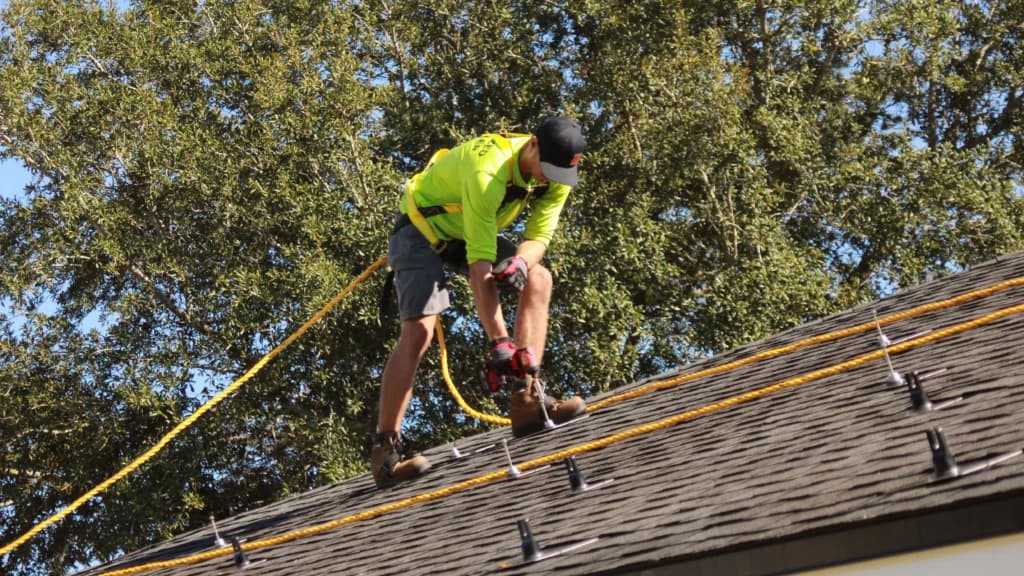
How well solar panels are manufactured and installed can significantly impact their performance and lifespan. For example, if panels aren’t sealed properly, they can be more vulnerable to water damage. A poorly designed or installed system may also fail to deliver the energy your home needs, or place panels in shaded areas where they won’t produce electricity efficiently. According to the Department of Energy, installation errors (along with weather damage) are among the leading causes of premature panel failure.
Using a trustworthy installer is one of the best ways to ensure your system performs safely and reliably for as long as possible. When panels are mounted and wired correctly, they’re more likely to deliver the energy output you were quoted and less likely to pose risks such as electrical hotspots or fire hazards.
If you’re considering solar and want to feel confident in your installation, you can connect with multiple vetted, experienced installers through Aurora Solar. It’s a simple way to explore your options, view upfront estimates on pricing and bill savings, and compare providers — all in one place.
Maintenance practices
It’s crucial to inspect your home’s solar panels regularly. At least once a year, you should check for damage, debris, and loose wires. By doing so, you can clean or repair whatever you find and prolong the life of your solar panels.
Cleaning them more often may be helpful, depending on your environment. In simulated desert conditions, MIT researchers found that dust accumulation could reduce solar panel output by up to 30% in just one month. While that’s far more than most homeowners will experience, even modest dust buildup over time can impact performance. Removing dirt and debris can help panels absorb more light and operate efficiently. Consult your installer for the best way to clean your specific panels.
Keeping an eye on the panels’ output can help mitigate problems as they happen. As energy production data comes in, you can monitor whether individual panels are starting to fail or notice new functionality issues — which can help you avoid a panel failure or premature end-of-life.
Environment and climate
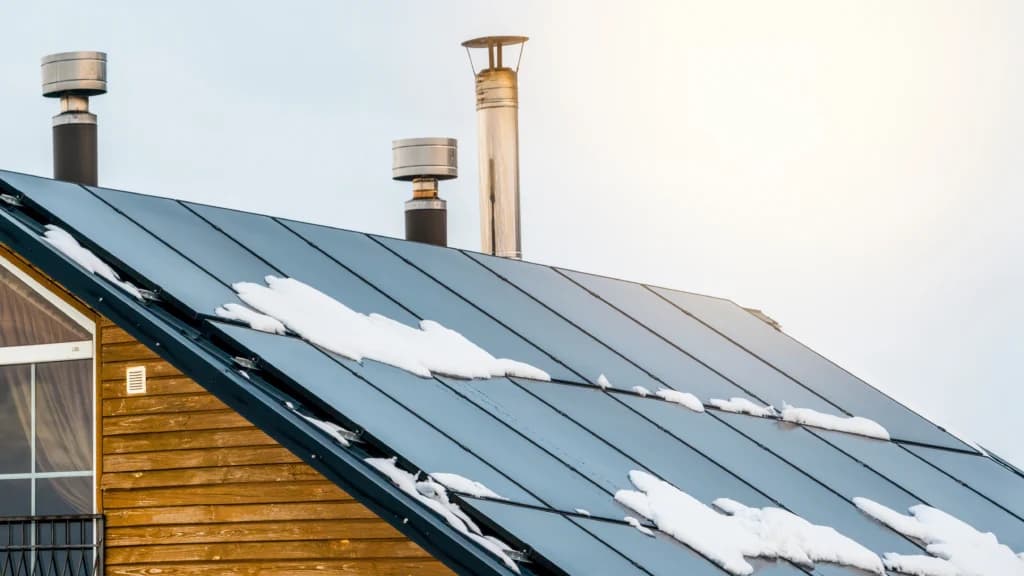
Extreme weather conditions can significantly impact a solar panel’s lifespan. Strong winds, heavy snow, soaring temperatures, and even high humidity can damage panels and shorten their life.
Changes in temperature, for example, can cause the material in the panels to expand and contract. These movements over time can cause cracks in the panels. Additionally, high humidity can degrade or damage the materials and coatings protecting the solar panels, causing them to age more quickly.
Ready to see what solar looks like for your home? Aurora Solar connects you with multiple vetted, local installers — so you can compare options, review upfront pricing estimates, and make a decision on your own timeline.
▶ Get your free solar estimate →
Warranties and performance guarantees
Like many major purchases, solar panels typically come with a warranty. These warranties help alleviate the cost of repairing or replacing faulty panels, and can also offer insight into how long the manufacturer expects the panels to perform reliably.
Types of warranties
Generally, solar panels have two kinds of warranties:
- Performance warranty: This guarantees that your panels will continue generating electricity at a predictable rate over time. According to the Whole Building Design Guide (WBDG), most performance warranties guarantee that your panels will produce at least 85% of their original output after 25 years, helping protect against long-term energy loss due to degradation.
- Product warranty: This covers defects in materials and workmanship. Product warranties generally last 10-25 years, depending on the manufacturer, and ensure your panels will function as expected under normal conditions. Other equipment, like inverters (which convert solar electricity into usable power), come with their own product warranties — typically 10-12 years for string inverters and up to 25 years for microinverters. Since string inverters have a shorter lifespan than solar panels, a replacement is typically required at least once over the full lifespan of their solar panel system.
Signs you need a replacement
Over time, some solar panels may wear out, get damaged, or stop working as expected. Knowing when a replacement might be necessary can help you avoid ongoing energy losses.
One of the clearest signs that something is wrong is a sudden or steady drop in energy production that can’t be explained by weather, seasons, dirt buildup, or the natural aging process. If output doesn’t bounce back after cleaning or routine maintenance, there may be a deeper issue.
Before assuming a panel needs to be replaced, look for visible signs of damage — like cracks in the glass, burn marks around the edges, cloudy spots, or moisture inside the panel. These issues often suggest electrical failure or long-term wear.
Your next step should be to contact a qualified solar installer. They can run diagnostics to determine whether the problem lies with the panel itself, the wiring, or another part of your system, and help you decide if repair or replacement is the right move.
End-of-life options
A downside to many technology investments is what to do with them when they are no longer functioning. For solar panels, that generally means two things:
Recycle them
While most solar panels are not classified as hazardous waste under federal law, they should not be disposed of in regular trash due to valuable and potentially harmful materials inside, like glass, aluminum, silicon, and trace heavy metals. The EPA recommends contacting your state or local recycling agency for guidance. You can also search Earth911 for nearby recycling facilities.
Recycling solar panels typically involves carefully separating and recovering these materials, which is why there’s often a fee. According to NREL, the modeled cost to recycle a solar panel is around $28 per module, though actual costs can vary by location and provider.
Reuse them
Some companies buy old solar panels to reuse or recycle them. Solar panels can also be donated to organizations like Good Sun Solar, which will, in turn, use them in their work alongside Habitat for Humanity.
Making the most of your solar panels
A solar panel’s lifespan depends on factors like the materials it’s made from, the environment it’s exposed to, and how well it’s installed and maintained. With proper care, today’s panels can often reliably generate electricity for 30 years or more.
Warranties offer added peace of mind if something goes wrong earlier than expected, helping cover repairs or replacements in cases of eligible defects or underperformance. And while solar technology continues to advance, modern panels are already built to last — making now a great time to start benefiting from clean, affordable energy.
Frequently asked questions about solar panel lifespan
How long do solar panels actually last in practice?
Most modern solar panels last 25–30 years before their output degrades to a point where replacement makes financial sense. According to NREL, the typical degradation rate is 0.5%–1% per year, which means panels installed today could still be producing around 75%–90% of their original output at the 25-year mark. In practice, many panels outlast their rated lifespan — some systems from the 1980s are still operating effectively today.
What happens to solar panels after 25 years… Do I need to replace them?
“25 years” appears on most warranty documents because that’s the period the manufacturer commits to specific performance levels. But it doesn’t mean your panels stop working on day one of year 26. Many systems continue producing usable electricity well beyond that point, just at a gradually reduced rate. Whether it makes sense to replace them depends on how much output has declined, what new panel technology looks like at the time, and whether replacement costs are offset by the increase in efficiency.
Do solar panels degrade faster in hot climates?
High temperatures can accelerate degradation. Heat causes the materials inside panels to expand and contract repeatedly over time, which can gradually reduce efficiency. That said, solar panels are specifically engineered for outdoor conditions, and most manufacturers test their products across a range of temperature extremes. Proper installation helps manage heat buildup and can extend panel life in warmer climates.
Which type of solar panel lasts the longest?
Monocrystalline panels generally have the longest lifespan and slowest degradation rate of the three main panel types. Polycrystalline panels have a similar lifespan but tend to degrade slightly faster. Thin-film panels typically have a shorter useful life — around 10–20 years — though they continue to improve. If longevity is a priority, monocrystalline (or PERC, an enhanced monocrystalline design) panels are typically the best choice.
Does my solar panel warranty mean they’ll last that long?
Warranties protect you if something goes wrong within a defined period. However, they’re not a guarantee of how long your panels will last under normal conditions. Most solar panels come with two types of warranties: a product warranty (typically 10–25 years, covering manufacturing defects) and a performance warranty (usually 25 years, guaranteeing minimum output levels). If your panels underperform the stated threshold or fail due to a defect within the warranty period, the manufacturer covers repair or replacement. What they don’t cover: damage from extreme weather, improper installation, or normal degradation beyond the specified rate.
Can solar panels last 40 years?
It’s possible, and some manufacturers are pushing in that direction. SunPower, for example, offers a 40-year warranty on some of its product lines — one of the longest in the industry. NREL research also shows that many well-maintained panels can continue producing electricity long after their rated 25–30 year lifespan, though at diminishing output levels. The 30-year figure reflects when output typically drops below what’s considered “adequate” (around 80% of original production), not a hard cutoff.
How do I know if my solar panels are losing efficiency faster than they should?
The clearest sign is a drop in energy production that can’t be explained by weather, seasons, or shading. Most solar systems include monitoring tools that let you track output over time. If production is declining faster than the expected 0.5%–1% per year it’s worth having a qualified installer run diagnostics. They can determine whether the issue is with the panels themselves, the inverter, the wiring, or another part of the system.
Is it worth installing solar if I’m not planning to stay in my home long-term?
Solar panels typically add value to a home. According to Zillow research, homes with solar energy systems sell for an average of 4.1% more than comparable homes without them. So even if you sell before you’ve fully recouped the installation cost through energy savings, the system may add more to your home’s resale value than you expect. That said, the math varies by location, system size, and local real estate market. It’s worth factoring into your decision when you get quotes.
Ready to see what solar looks like for your home? Aurora Solar connects you with multiple vetted, local installers — so you can compare options, review upfront pricing estimates, and make a decision on your own timeline.